
Working for a Norfolk-based main contractor, we were asked to waterproof and floor a new submerged bird hide at Freiston Shore, near Boston in Lincolnshire. The hide is a cast concrete structure set down into the saltmarsh, so that visitors look out across the marsh at eye level with the birds, with timber and weathering steel cladding above ground and a long concrete access ramp leading down to the entrance.
Concrete Waterproofing and Resin Flooring – Freiston Shore Bird Hide
THE PROBLEM
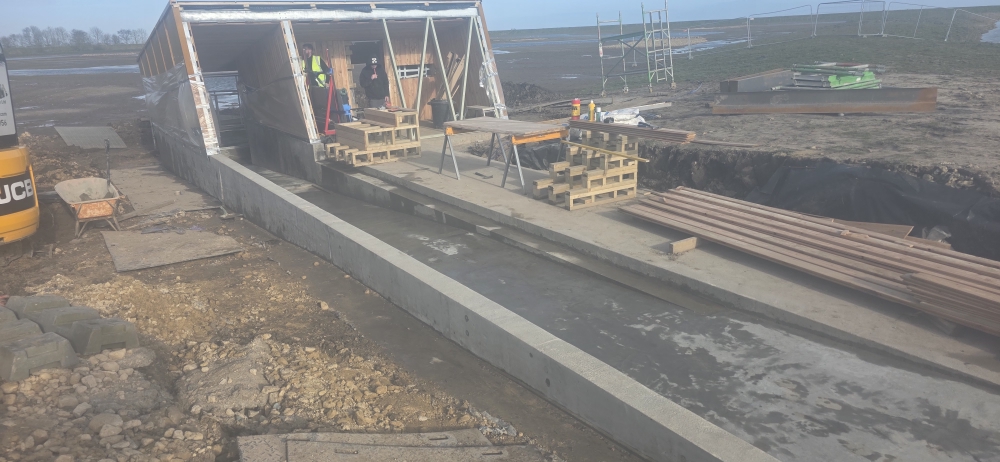
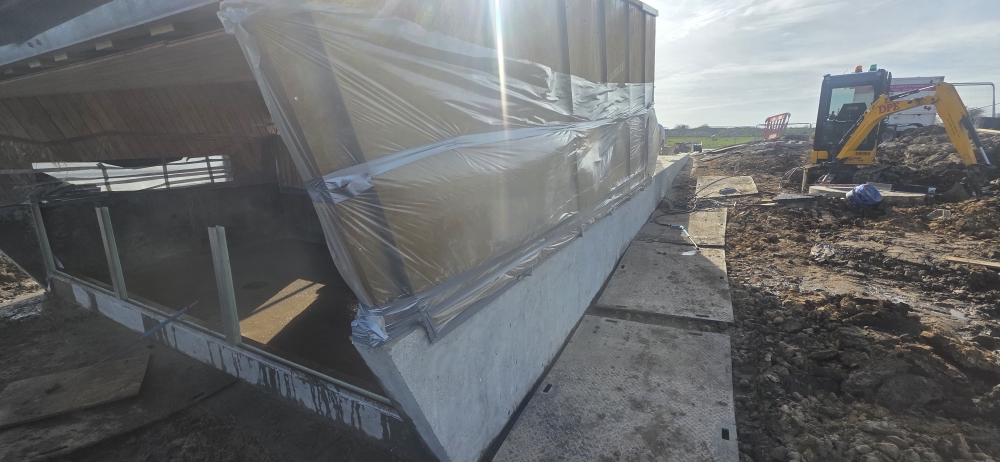
Being built into the ground on a coastal saltmarsh, much of the concrete is in permanent contact with wet ground, and both the floor and the external concrete in the wetted areas needed waterproofing. The drawings also called for the floor to be laid to falls to an aluminium channel drain and a round floor drain, with a hard-wearing, slip-resistant finish to the hide floor, corridor and access ramp. In total the works covered approximately 47m² of internal waterproofing, 11m² of external waterproofing and 28m² of resin flooring.
There were two key considerations for the resin finishes. Firstly, because the structure sits below ground level there was a real risk of osmotic blistering. This happens when moisture is drawn up through the concrete and primer beneath an impermeable epoxy coating, forming fluid-filled blisters under the floor. Secondly, the works were programmed for February and March. Most resin coatings need ambient temperatures above 10°C and a surface temperature at least 3°C above the dew point, and with the hide’s open, unheated construction those conditions could not be relied on. The floor finish is also exposed to daylight, and most resin systems are not UV stable.
THE SOLUTION
Surface preparation
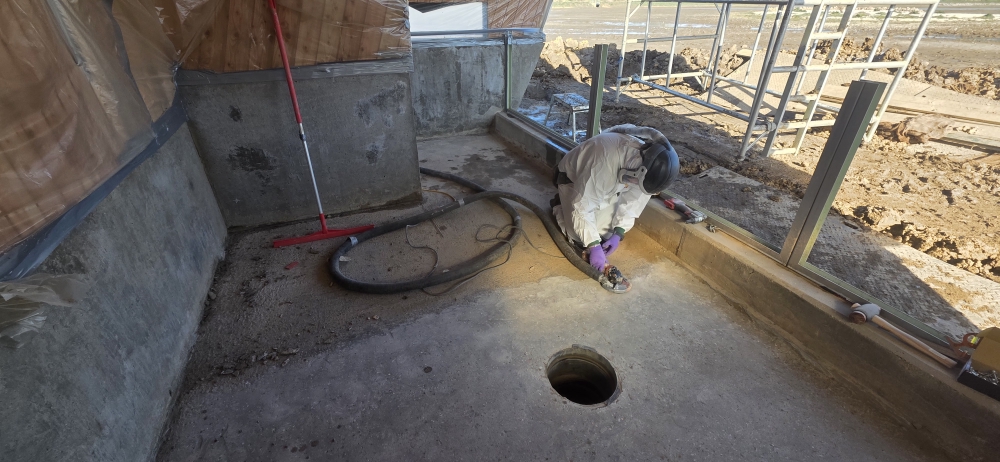
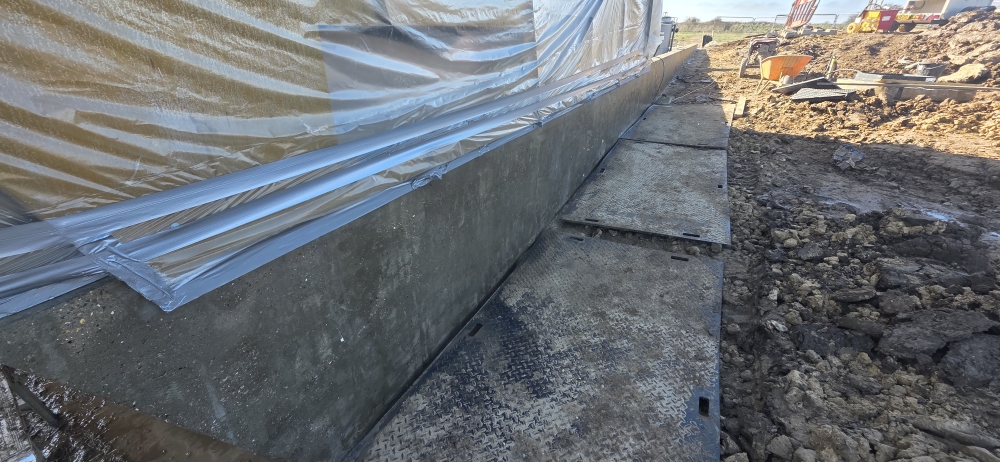
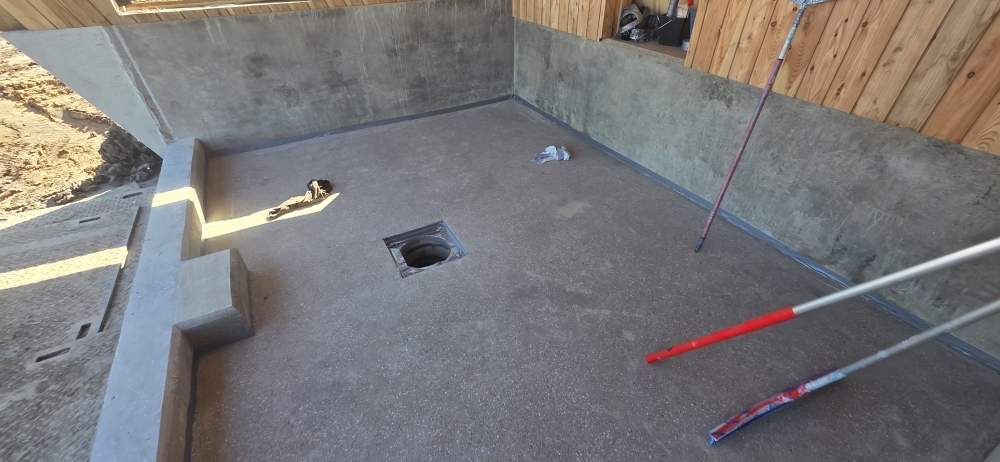
The timber and steel cladding was sheeted and taped to protect it from dust and overspray. All concrete surfaces to be treated – the hide floor, upstands, corridor, ramp and external walls – were then prepared by vacuum-controlled diamond grinding to remove laitance and open up the surface, and pressure washed clean. Removing the weak surface layer lets the waterproofing penetrate and gives the later coatings a sound surface to bond to.
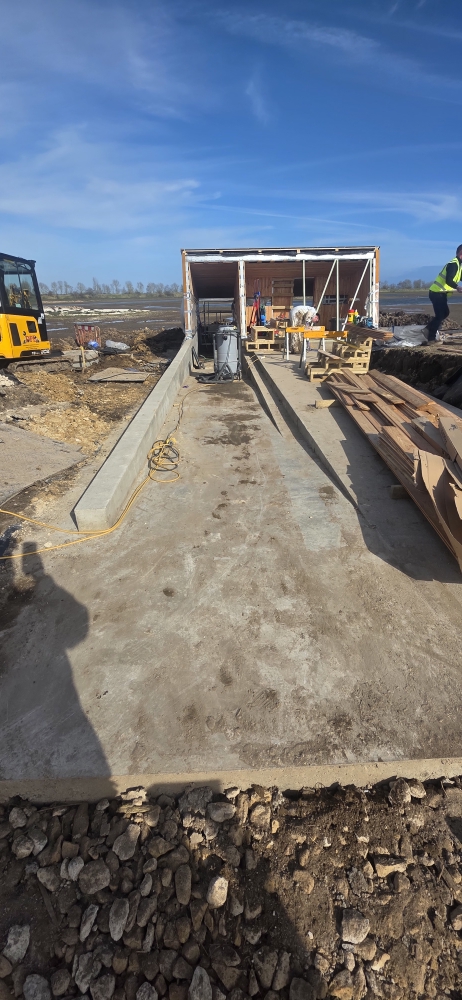
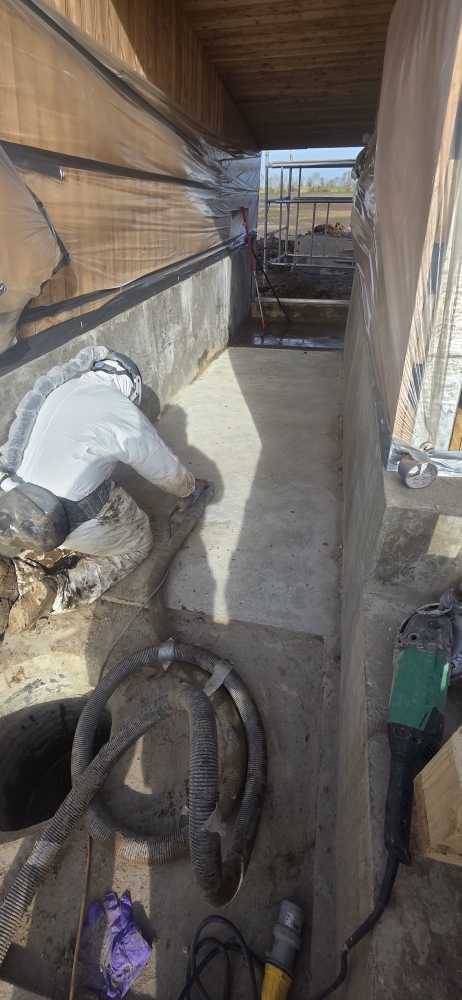
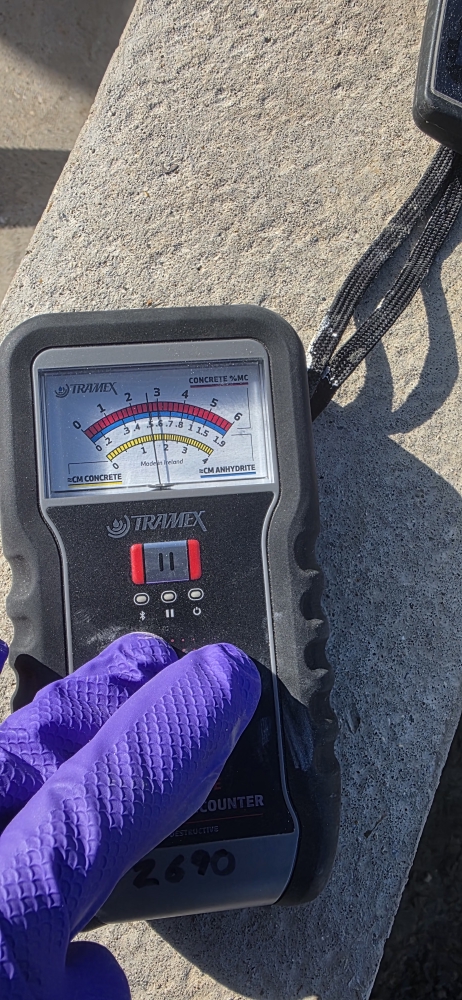
Moisture readings were taken across the prepared concrete with a Tramex concrete moisture meter, giving readings of roughly 3 – 4%, and climatic conditions were recorded with a PosiTector DPM at the start of each shift throughout the job.
Concrete waterproofing – Aquron 2000
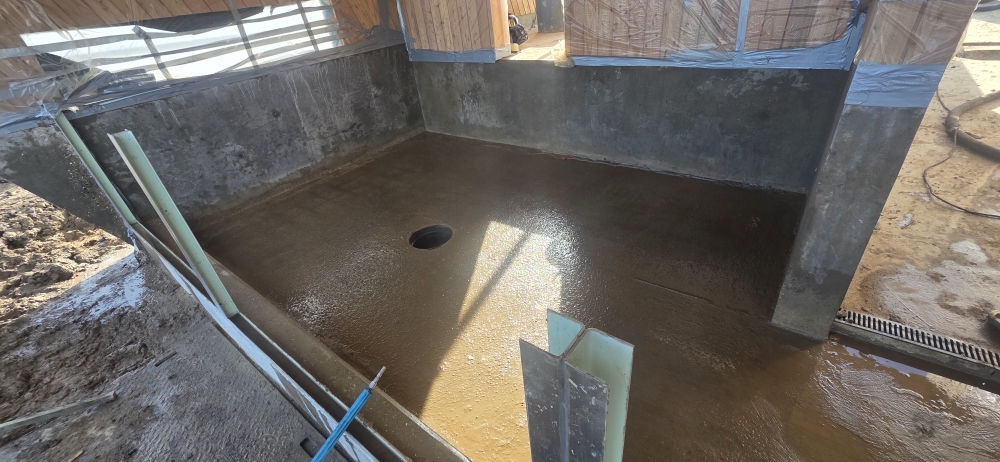
Our proposal began by treating the concrete itself with Markham Global’s Aquron 2000, applied by airless spray to the internal and external concrete. Aquron 2000 is a colloidal silicate that penetrates up to 150mm into the concrete, where it reacts to fill the pores and small cracks. This waterproofs the concrete from within and greatly reduces the moisture that can reach the underside of the resin finishes, helping to protect them from osmotic blistering. The treatment was then left to cure for 72 hours before any further coatings were applied.
External waterproofing – Sikalastic-6100 FX
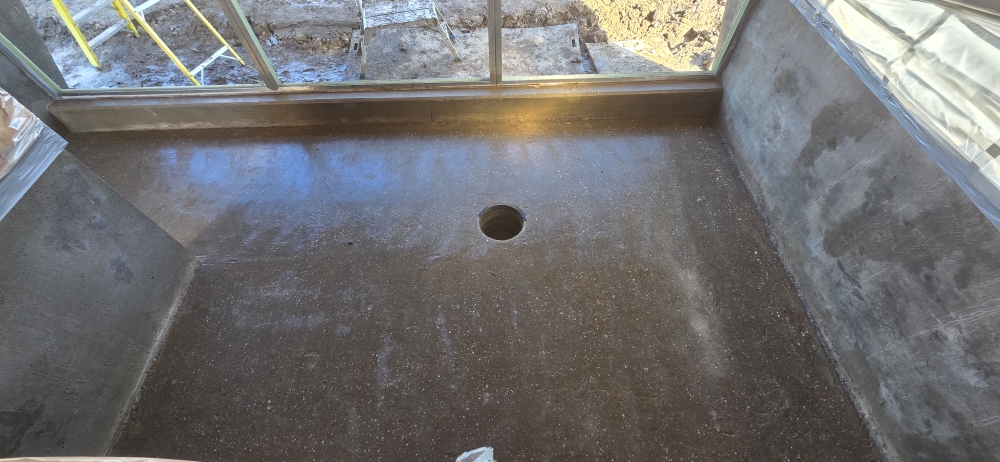
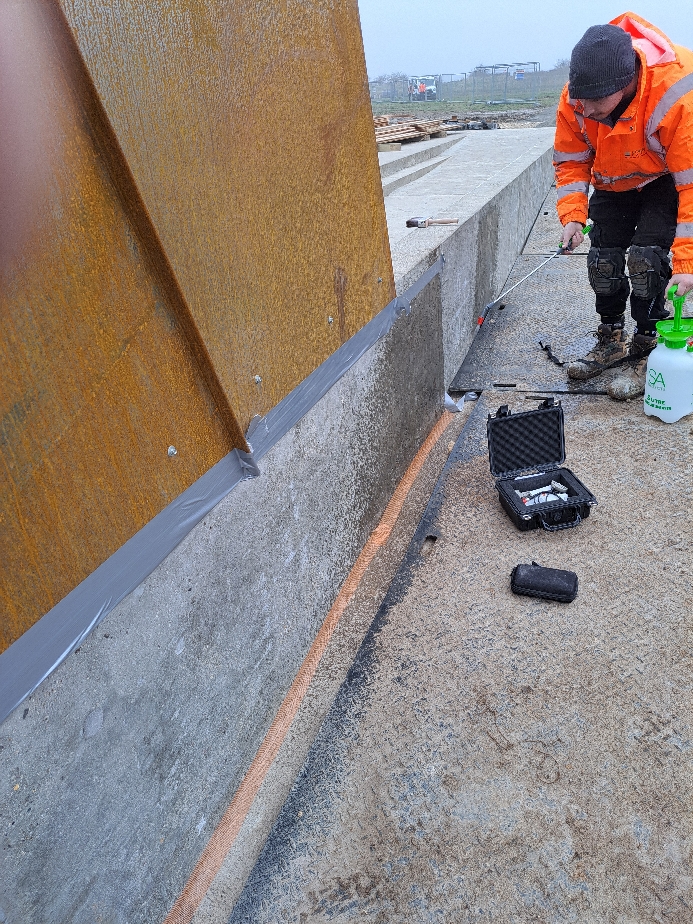
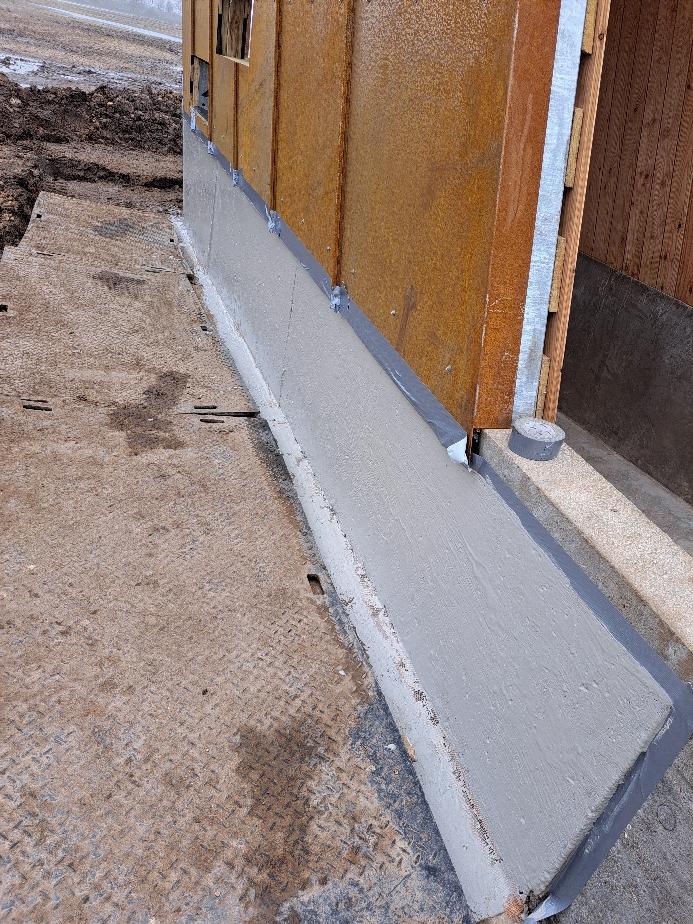
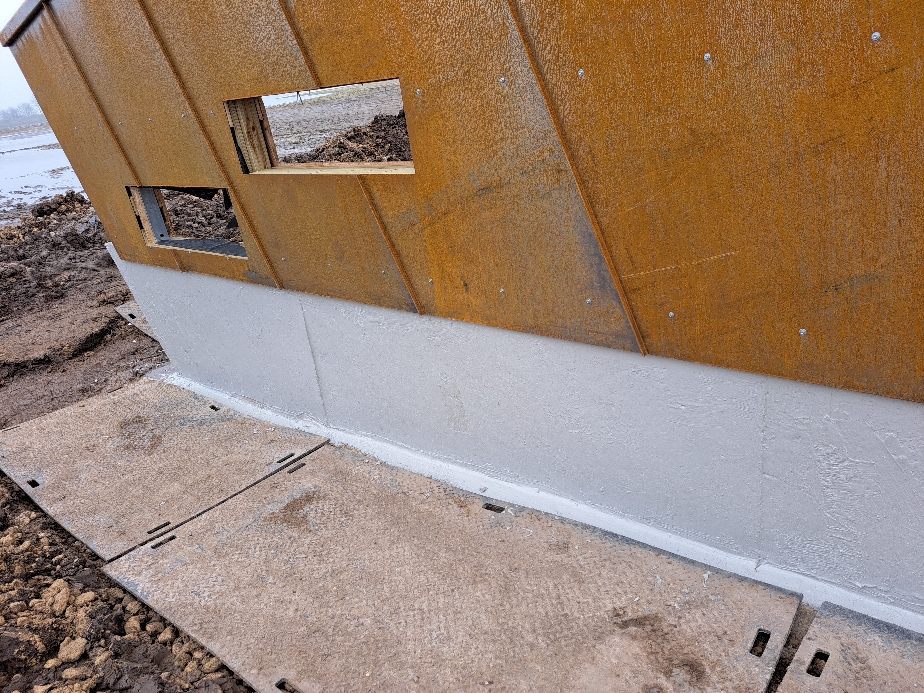
To the external concrete in the wetted areas we applied Sikalastic-6100 FX, a single-component, flexible cementitious waterproofing compound that can bridge cracks of up to 2mm. We have used the same material to waterproof two kilometres of sea wall at Grange-over-Sands (https://www.corrolesseastern.co.uk/grange-over-sands-promenade-protective-coating/), so it was well proven in a coastal environment.
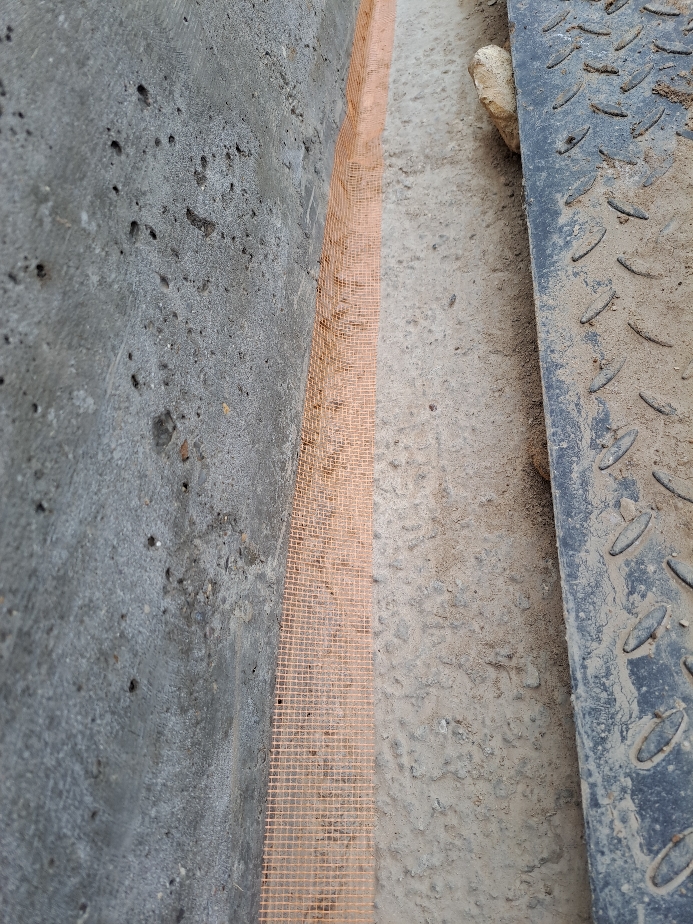
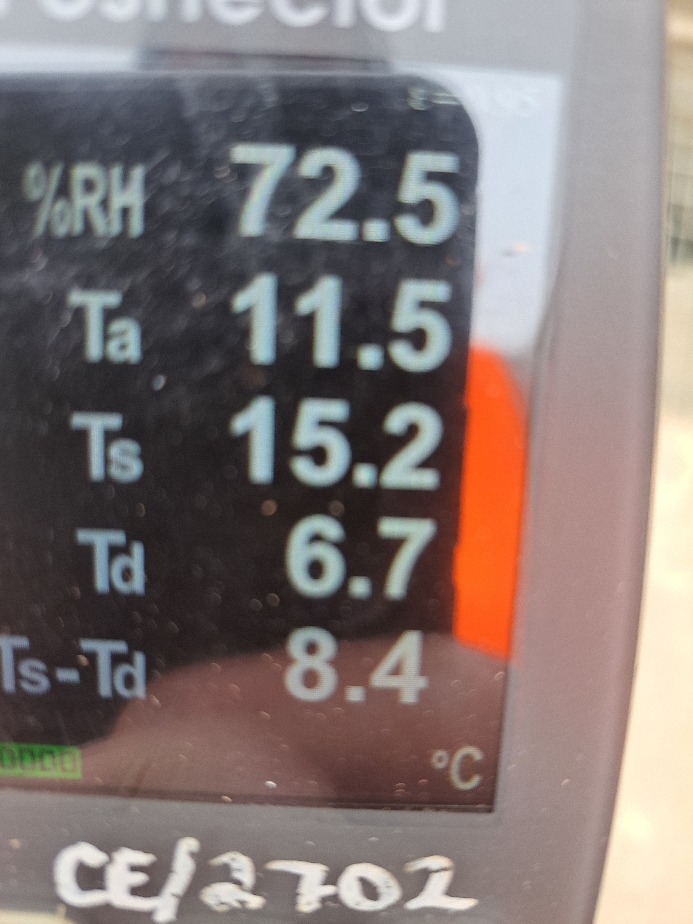
The concrete was dampened down before application and reinforcing scrim was bedded into the material along the base joints. Two full coats of Sikalastic-6100 FX were then applied by slurry brush, taken neatly up to the underside of the weathering steel cladding. Climatic readings on the day showed the concrete surface 8.4°C above the dew point.
Falls to drains – polymer modified screed
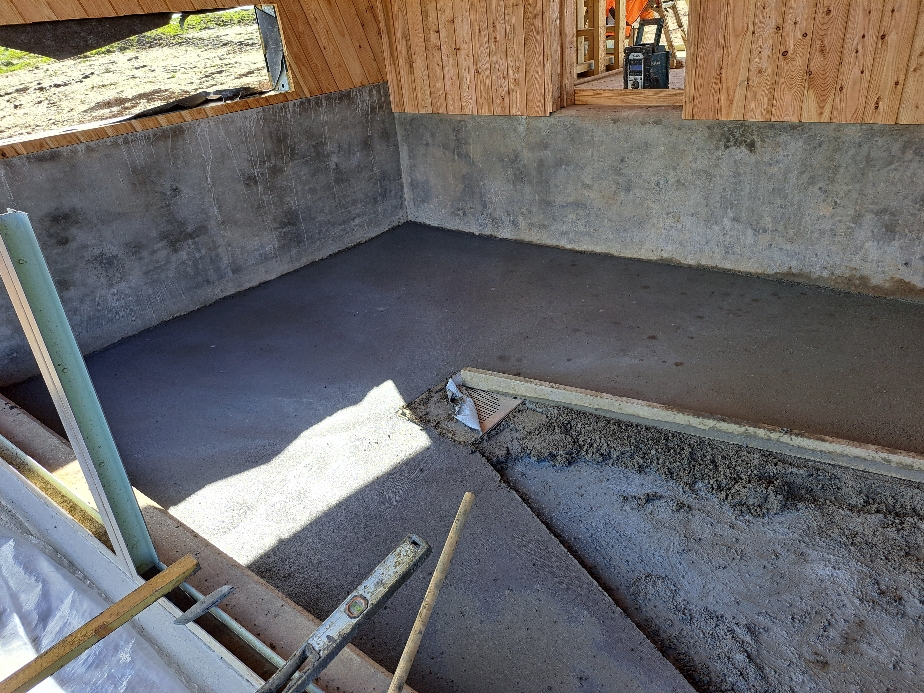
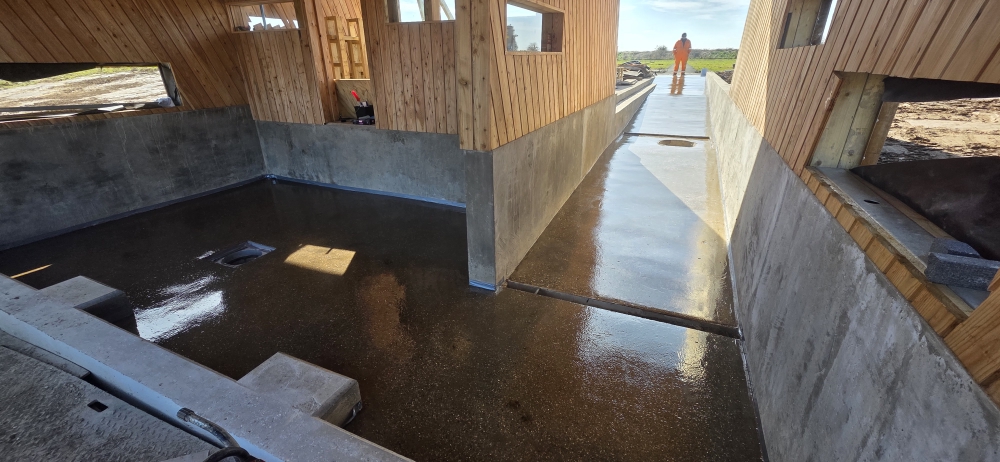
The drawings called for falls to the drains to be formed in a specialist resin finish 50mm thick. As this would have been very costly, we priced the more common approach of forming the falls in a polymer modified screed and applying the resin finish over it. A polymer-modified cement slurry bonding coat was applied and the sand and cement screed, modified with Sika SBR, was laid into it by trowel to falls towards the aluminium channel drain and the round floor drain. The falls were checked with a straightedge and the screed left to cure.
Anti-slip resin flooring – MC-DUR TopSpeed
For the floor finish we proposed MC-Bauchemie’s MC-DUR TopSpeed system. It allows moisture vapour to pass through, reducing the risk of osmotic blistering, it is extremely damp tolerant, it has a much wider application window than standard epoxies and it is UV stable – all important for an unheated, partly open structure on the coast in early spring.
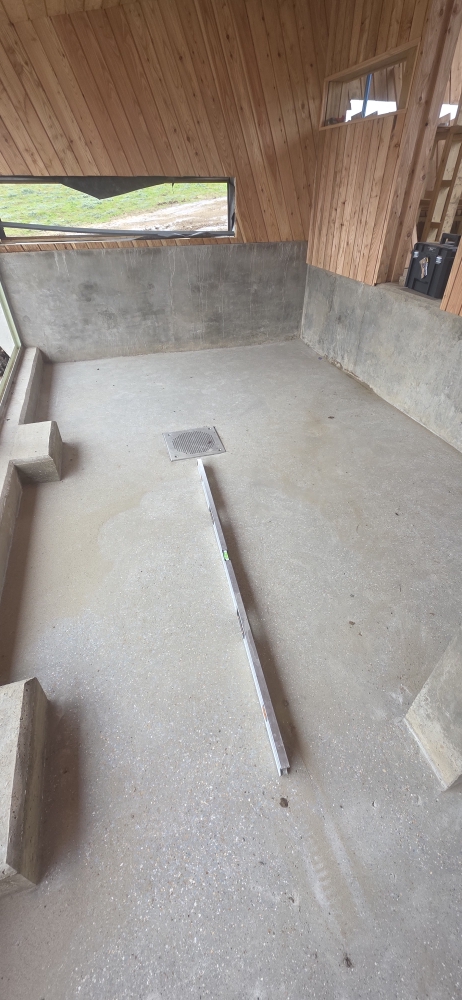
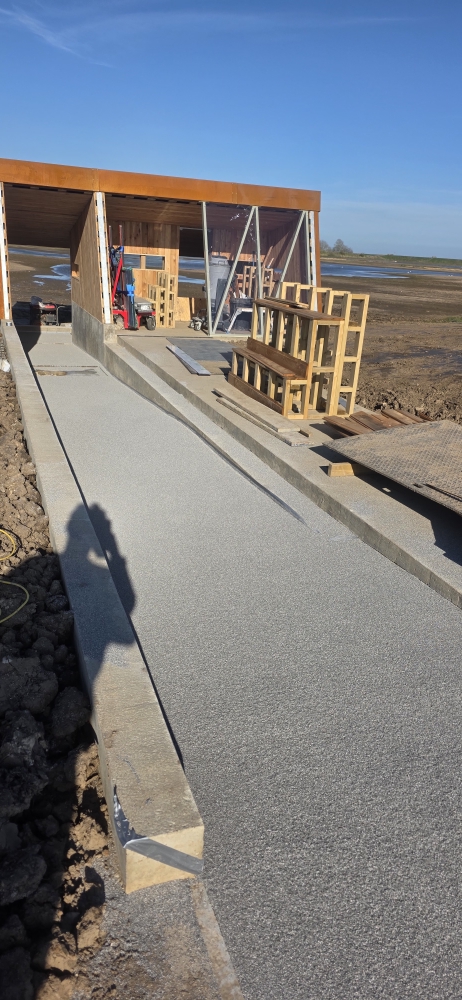
The cured screed was rubbed down to remove any nibs, diamond ground at the edges and vacuumed clean, and the walls were taped. A scratch coat of MC-DUR TopSpeed SC was applied by trowel, followed by a first coat of MC-DUR TopSpeed Flex applied at 0.3kg/m² and blinded to saturation with quartz aggregate. The next day the loose and unbound aggregate was swept and vacuumed away, the upstand edges were ground and the walls taped and papered before a second sealing coat of MC-DUR TopSpeed Flex was applied at 0.6kg/m². The broadcast quartz locks into the resin to give a durable, slip-resistant texture underfoot on both the hide floor and the sloping access ramp.
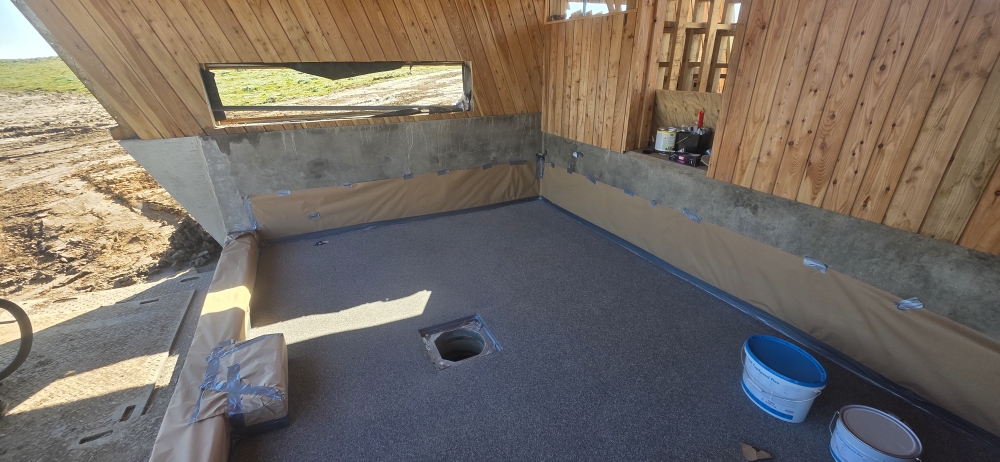
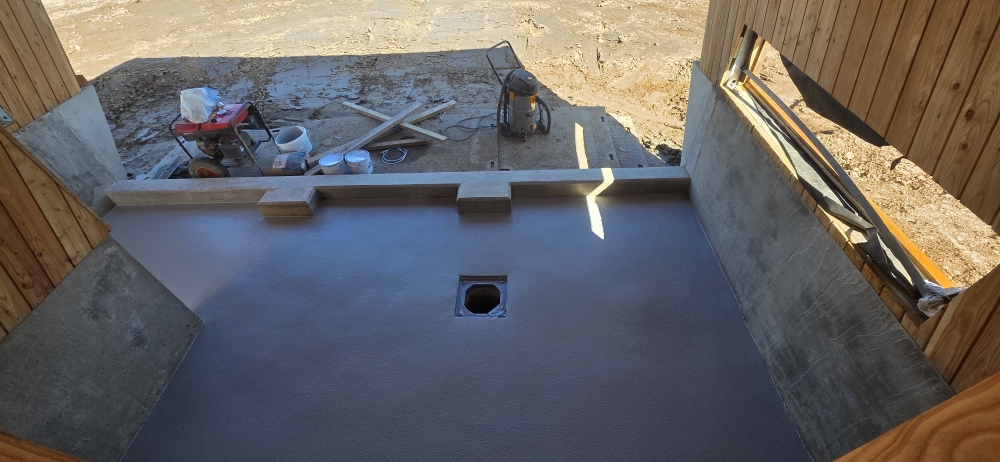
Fourteen climatic readings recorded on the day of the seal coat showed relative humidity of 66 – 69%, an air temperature of around 16°C and the surface between 3.7 and 3.9°C above the dew point. Keeping the surface at least 3°C above the dew point prevents condensation forming beneath the coating as it cures.
On the final visit the resin was detailed neatly into the edges of the aluminium channel drain.
THE RESULT
The submerged bird hide now has waterproofed concrete inside and out, using Markham Global Aquron 2000 and Sikalastic-6100 FX, and a seamless, slip-resistant MC-Bauchemie MC-DUR TopSpeed Flex resin floor laid to falls to the drains along the access ramp, entrance corridor and hide floor. The resin system’s moisture vapour permeability and UV stability make it well suited to a structure built into a coastal saltmarsh.
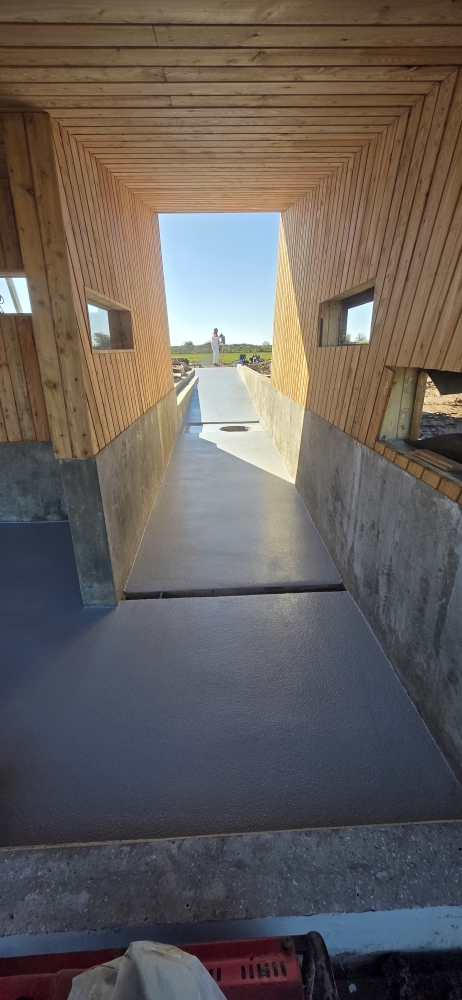
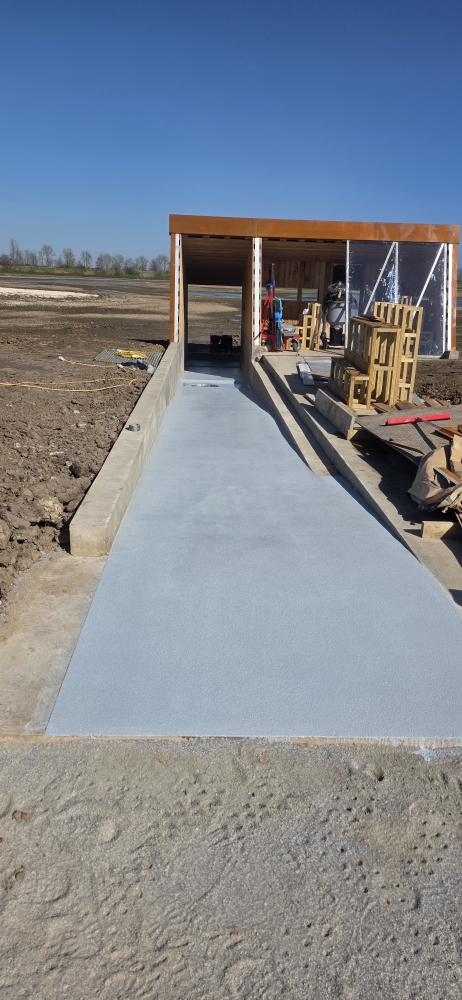
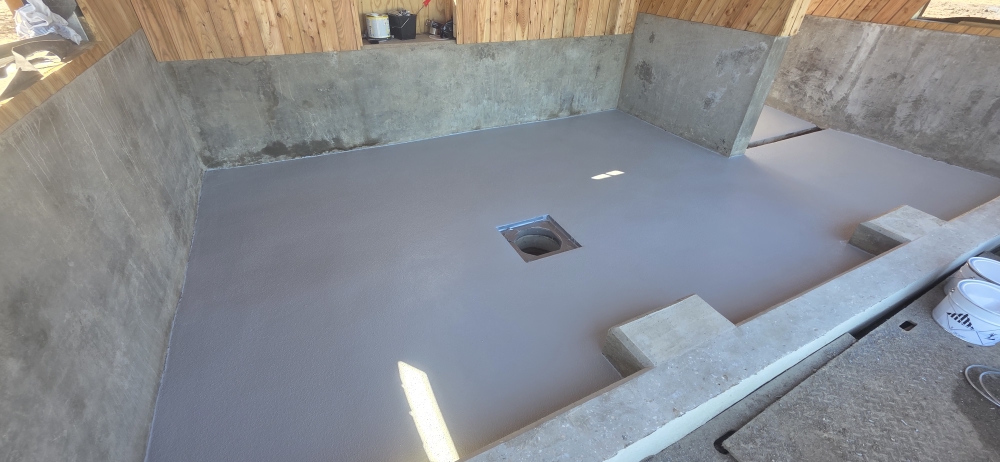
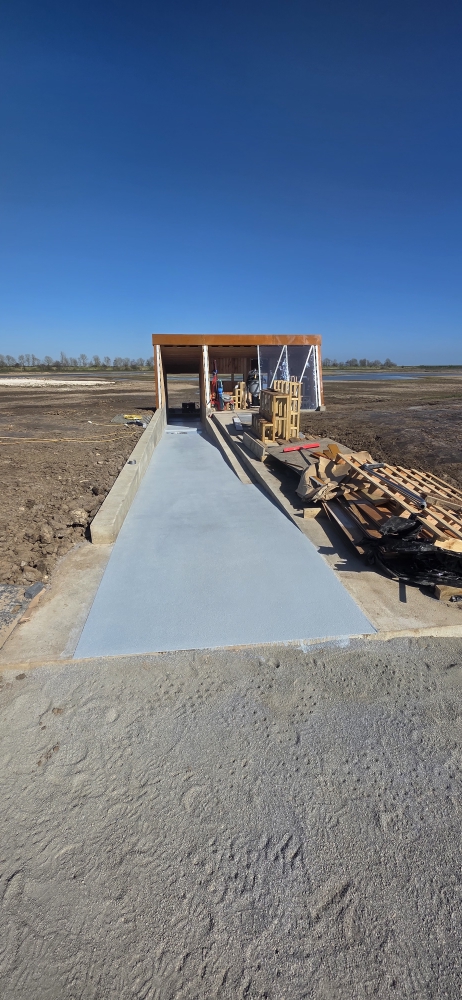
The works were completed across four short visits between 3 and 20 March 2026, allowing the waterproofing, screed and resin each to cure before the next stage.
Find out more about our waterproofing services: https://www.corrolesseastern.co.uk/services/waterproofing/